-
telefone : +86-592-6382791
-
o email : sales@pidmaxwell.com
telefone : +86-592-6382791
o email : sales@pidmaxwell.com


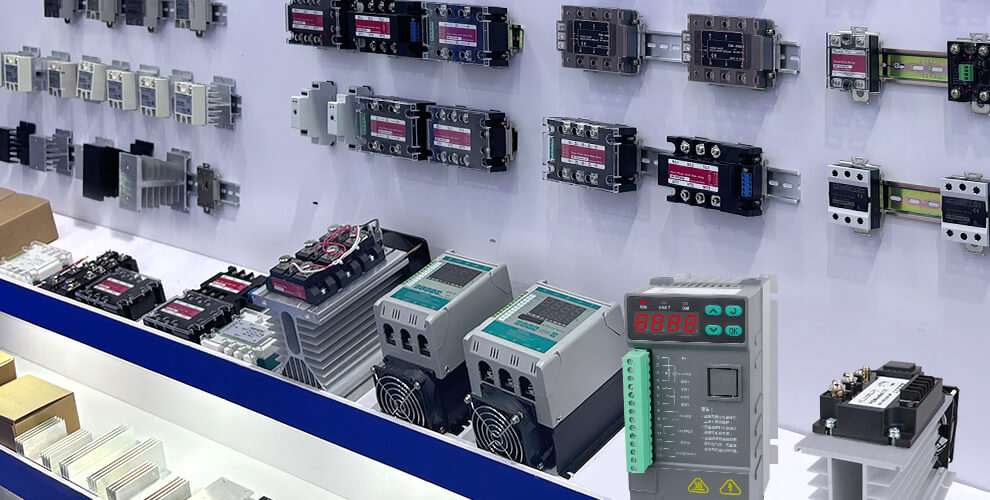
Ao selecionar um regulador de potência trifásico, muitos clientes se concentram primeiro na potência total—perguntando: "De que tamanho preciso?" com base na potência real da carga do equipamento. Embora essa abordagem não esteja errada, a potência nominal sozinha não é suficiente; você também precisa considerar a tensão, a corrente por fase, o tipo de carga, os sinais do controlador de temperatura e as condições de dissipação de calor do gabinete elétrico.
Primeiro, distinga entre sistemas monofásicos e trifásicos. Use um regulador de potência monofásico para elementos de aquecimento monofásicos de 220V. Para equipamentos de aquecimento trifásicos de 380V—como fornos, fornos elétricos, fornos de tratamento térmico ou equipamentos de secagem—um regulador trifásico é obrigatório. Mesmo que a potência total seja baixa, se a carga estiver ligada em configuração trifásica, você não pode simplesmente escolher uma unidade monofásica por conveniência; a corrente deve ser calculada com base nos requisitos trifásicos.
A corrente por fase é o fator crítico. Por exemplo, com uma unidade de aquecimento trifásica de 380V e 15kW, a corrente teórica é aproximadamente 15 ÷ 1,732 ÷ 0,38 ≈ 22,8A. Lembro-me de um fabricante de fornos que calculou 22A e selecionou um regulador de 25A. No entanto, durante o verão, as altas temperaturas dentro do gabinete elétrico faziam com que a unidade acionasse frequentemente a proteção contra sobreaquecimento ao operar continuamente durante todo o dia. Depois que a Hequan recalculou os requisitos e recomendou um modelo de 35A—fornecendo uma margem de segurança—o problema foi resolvido imediatamente. Portanto, não selecione um regulador com base no limite absoluto mínimo de corrente; em vez disso, considere fatores como variações de tensão, equilíbrio de fases e condições de operação, e escolha o tamanho acima.
Além disso, você deve verificar o sinal de saída do controlador de temperatura. Os sinais comuns incluem SSR (pulso), 4-20mA, 0-10V, 0-5V e entradas de potenciômetro manual. Confirmar isso antecipadamente é essencial para evitar problemas de compatibilidade durante a instalação. Por exemplo, um cliente tinha um controlador com saída 4-20mA, mas comprou um regulador que suportava apenas acionamento SSR, tornando-o inutilizável. O problema só foi resolvido após a troca para um modelo da Hequan que suportava entradas analógicas. Simplesmente verificar o modelo do controlador de temperatura pode evitar muitos problemas.
Por fim, não ignore a dissipação de calor dentro do gabinete elétrico. Os reguladores de potência geram calor durante a operação. Se o gabinete for apertado, não tiver ventiladores, estiver localizado próximo ao corpo do forno e operar em carga total por longos períodos, é ainda mais crítico evitar selecionar uma unidade que opere no seu limite. Recomenda-se instalar um ventilador dentro do gabinete, garantir espaço ao redor do dissipador de calor, manter a unidade afastada de fontes de alta temperatura e assegurar que os terminais dos cabos estejam firmemente apertados. Muitas falhas não são causadas por baixa qualidade do produto, mas por superaquecimento devido a instalação apertada e dissipação de calor inadequada.
Em resumo, ao selecionar um regulador de potência trifásico, não pergunte simplesmente: "De que tamanho corresponde a uma determinada potência?" Você deve considerar a tensão, a potência total, a corrente por fase, os sinais do controlador de temperatura, as condições de dissipação de calor do gabinete e se o equipamento opera em carga total por longos períodos. Se você estiver trabalhando com fornos, fornos elétricos, fornos de tratamento térmico ou equipamentos de secagem e não tiver certeza sobre a configuração, basta nos enviar a potência nominal, a tensão, o método de ligação, o modelo do controlador de temperatura e uma foto do gabinete elétrico; a Hequan calculará a corrente e recomendará uma solução adequada.

Morada : NO.201 Binhuyili, HaiCang district, XiaMen,FuJian, China 361026
Max liao: +8618150368619(whatsapp)
o email : sales@pidmaxwell.com
escanear via wechat

Scan to Whatsapp