-
telefone : +86-592-6382791
-
o email : sales@pidmaxwell.com
telefone : +86-592-6382791
o email : sales@pidmaxwell.com


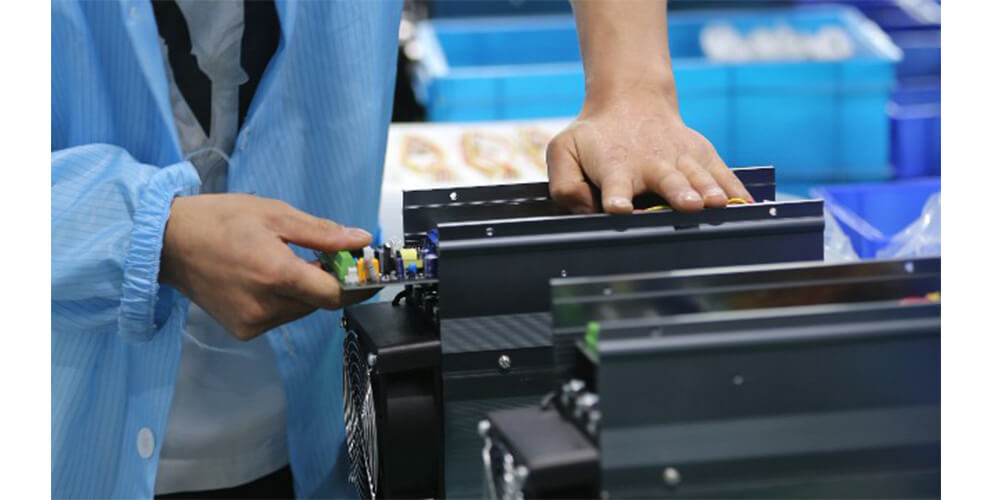
Muitos trabalhadores de manutenção de equipamentos provavelmente já passaram por isto:
Você está trabalhando e o operador vem correndo dizendo: "Ei, a temperatura está fora de controle! A tensão de saída do regulador de potência está oscilando muito. O módulo queimou? Precisamos substituí-lo imediatamente!"
Não entre em pânico nem corra ao armazém para pegar uma peça sobressalente. Siga meu conselho: se a tensão de saída do regulador de potência está instável, nove vezes em dez ele não está quebrado; algo externo está interferindo nele.
Se você o substituir imediatamente, o novo provavelmente terá o mesmo problema, desperdiçando seu tempo e interrompendo a produção. Precisamos aprender a "verificar primeiro os fatores externos e depois fazer um julgamento."
Primeiro, entenda que este equipamento é naturalmente "imprevisível."
Vamos esclarecer algo. Um regulador de potência, em termos simples, é um "interruptor de potência" compatível, não um regulador de tensão.
O que isso significa? O controlador de temperatura informa que ele deve fornecer mais potência, então ele aumenta a saída para elevar a temperatura; quando a temperatura está quase atingida, o controlador de temperatura informa para "desacelerar", então ele reduz a saída e diminui gradualmente a temperatura. Quando a temperatura atinge um nível constante, ele faz pequenos ajustes.
Portanto, sua tensão de saída está mudando constantemente, o que é seu estado normal de operação. Se ele parar de se mover de repente, aí sim há um problema real.
II. O que está causando o problema? Verifique estas cinco coisas na ordem.
Se você descobrir que a tensão de saída muda irregularmente ou que a temperatura oscila significativamente, não entre em pânico. Siga os passos abaixo; muitos problemas podem ser resolvidos sem gastar um centavo.
① Primeiro, observe o controlador de temperatura e veja se seus "comandos" estão desordenados.
O regulador de potência é como um trabalhador; ele executa quaisquer comandos que o controlador de temperatura emitir.
Para determinar se ele está mudando de forma irregular, é simples: observe o valor de "potência de saída" ou "OUT" no controlador de temperatura e veja se ele está oscilando constantemente de forma intensa.
Se o próprio número oscila muito, o problema está no medidor ou no termopar. Pode ser que os parâmetros PID estejam configurados com sensibilidade excessiva ou que os fios do termopar estejam sofrendo interferência. Nesse caso, substituir mil reguladores não ajudará; é preciso solucionar problemas da instrumentação e dos sensores.
② Em seguida, teste a fonte de alimentação de entrada para verificar se a "origem" está limpa.
Se o sinal de controle estiver estável, investigue mais para verificar se há algum problema com a alimentação de entrada.
Use um multímetro configurado no modo de tensão CA para medir a tensão nos terminais de entrada do regulador. Verifique se as três fases estão desequilibradas e se alguma tensão de fase está significativamente baixa ou oscila muito.
Se a tensão cair bruscamente quando equipamentos grandes forem ligados na oficina, a saída certamente oscilará de acordo. Uma alimentação de entrada instável inevitavelmente levará a uma potência de saída instável — este é um princípio simples.
③ Use um alicate amperímetro para verificar a corrente e ver se o elemento de aquecimento está desgastado.
Esta etapa é crucial e facilmente ignorada. Não se concentre apenas no voltímetro; use um alicate amperímetro para verificar a corrente nas linhas de saída trifásicas.
Se a diferença de corrente entre as três fases for particularmente grande ou se a corrente em uma fase continuar oscilando, o problema provavelmente está no elemento de aquecimento ou nos terminais de fiação.
Por exemplo, o elemento de aquecimento pode ter alterado sua resistência ao longo do tempo; os parafusos da fiação podem estar frouxos, causando contato intermitente; ou um conjunto de elementos de aquecimento pode ter queimado. Todos esses fatores podem causar oscilações de corrente, fazendo você acreditar erroneamente que o regulador está com defeito.
④ Substitua por um multímetro melhor; não se deixe enganar pelas leituras.
Aqui está uma armadilha na qual muitos técnicos experientes já caíram: o regulador de potência produz uma forma de onda com uma parte de "corte", não uma onda senoidal limpa.
Usar um multímetro comum para medir essa forma de onda resultará em leituras imprecisas e grandes oscilações.
Se você tiver um multímetro True RMS, tente usá-lo; a leitura será muito mais estável. Se não tiver, não observe apenas a tensão; combine-a com o efeito real de aquecimento e a corrente medida por um alicate amperímetro. Isso é muito mais confiável do que simplesmente observar a leitura da tensão.
⑤ Verifique se o dissipador de calor está quente e se o ventilador está girando.
Os reguladores de potência têm alta saída de potência e geram muito calor. Se a dissipação de calor for ruim, ele ativará sua proteção contra superaquecimento, reduzindo automaticamente a saída.
Externamente, você verá a tensão de saída cair ou ficar instável.
Portanto, toque no dissipador de calor (tenha cuidado para não se queimar), escute para verificar se o ventilador está girando e veja se o dissipador está coberto por uma camada espessa de poeira. Limpar essas áreas pode resolver o problema imediatamente.
III. Então, o que constitui uma falha real?
Você verificou todos os cinco aspectos mencionados acima — sinal, alimentação, carga, medição e dissipação de calor — e tudo parece normal, mas a saída continua oscilando muito, ou uma fase não tem saída alguma, e a luz vermelha (luz de alarme) no painel do regulador está acesa.
Somente neste ponto você pode basicamente concluir que o problema está no módulo SCR interno do regulador ou na placa de controle.
Nessa situação, não tente consertá-lo sozinho. Entre em contato com a equipe técnica de pós-venda da PID Max para realizar testes adicionais.
Lembre-se apenas disto: se a saída oscilar, verifique primeiro o medidor; se o medidor não oscilar, verifique a corrente; se a corrente estiver irregular, verifique a fiação; se houver má dissipação de calor, limpe a poeira e lubrifique; se tudo mais falhar, entre em contato com o serviço de pós-venda.
A maioria dos casos de tensão de saída instável é causada por esses pequenos problemas externos. Verificá-los de acordo com este mnemônico pode surpreendê-lo — você pode descobrir que o problema foi resolvido sem gastar um centavo.

Morada : NO.201 Binhuyili, HaiCang district, XiaMen,FuJian, China 361026
Max liao: +8618150368619(whatsapp)
o email : sales@pidmaxwell.com
escanear via wechat

Scan to Whatsapp