-
telefone : +86-592-6382791
-
o email : sales@pidmaxwell.com
telefone : +86-592-6382791
o email : sales@pidmaxwell.com


When selecting a power regulator for the first time, many customers immediately ask about voltage and current ratings. While these questions are valid, focusing solely on these two parameters can easily lead to problems later on. A power regulator is not an isolated component; it sits between the temperature control system and the heating load. Its suitability directly determines heating speed, temperature stability, the magnitude of startup surges, and the frequency of protection trips—ultimately impacting the equipment's operational performance and after-sales costs.
For equipment manufacturers and end-users, the real calculation involves the total cost of ownership rather than just the initial purchase price. A cheap power regulator might seem like a bargain, but if it results in slow heating, temperature fluctuations, frequent protection trips, or requires engineers to travel on-site for troubleshooting and replacements, the associated labor, travel, and downtime costs often far exceed the price of the component itself. As a primary manufacturer of power regulators, PIDMaxWell prefers that customers get the selection right during the design phase, rather than trying to fix issues after the equipment has reached the site.
When selecting a model, one must consider not only input voltage, heater rated power, operating current, and phase configuration (single-phase vs. three-phase) but also the specific nature of the load. Common loads—such as resistive wires, heating tubes, infrared lamps, silicon carbide rods, molybdenum disilicide rods, and transformers—exhibit different characteristics in their cold and hot states. Some draw massive startup currents, others show significant resistance changes at high temperatures, and some are highly sensitive to voltage waveforms and control methods. Simply matching a model based on wattage can easily lead to situations where the power rating appears sufficient on paper but proves unstable in actual operation. When assisting customers with selection, PIDMaxWell clarifies details such as load type, startup conditions, continuous operation duration, cabinet temperature, and installation/heat dissipation conditions before determining the control method and safety margin.
Higher current ratings are not always better. While maintaining an appropriate safety margin is necessary, blindly oversizing the unit does not solve every problem. Excessive margins can lead to mismatched protection settings or a lack of control precision, whereas insufficient margins increase the risk of overheating and overcurrent, ultimately shortening the component's lifespan. The proper approach is to evaluate the actual load current, startup inrush, control method, heat dissipation environment, internal cabinet temperature, and continuous operating duration holistically. Selecting a power regulator is about achieving the right match, not simply choosing the largest capacity available.
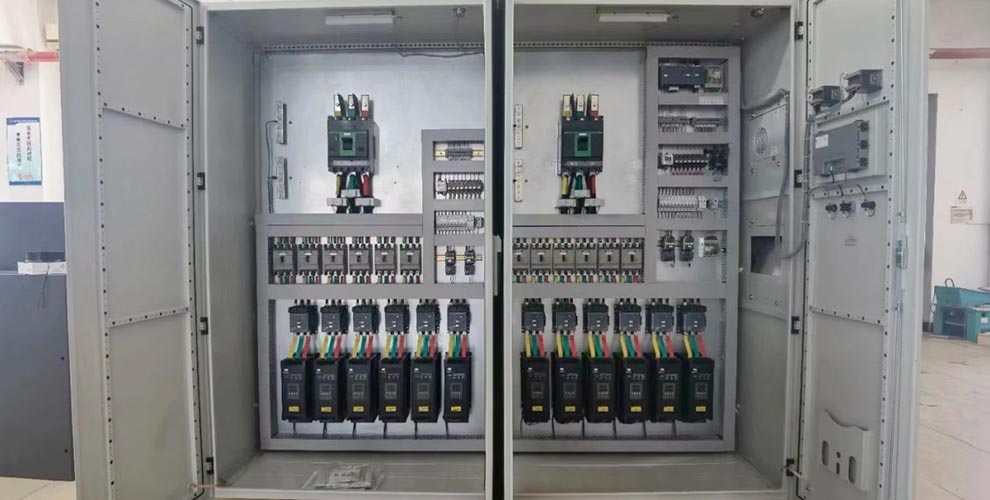
Regarding control and protection, select PIDMaxWell digital power regulators offer phase-angle control (depending on the model and configuration) and include protections against soft-start issues, phase loss, overcurrent, open circuits, and overheating. Certain applications allow for the selection of constant-current, constant-voltage, or constant-power control modes based on specific needs, or the integration of communication interfaces to work with PLCs and automation systems. While not every feature is necessary for standard, low-power, intermittent heating equipment, protective functions and control methods are critical for high-power, continuous-operation equipment with demanding process requirements; these factors directly impact long-term maintenance frequency and product yield. What customers are purchasing is not merely output power, but the peace of mind that comes with reliable, long-term equipment operation.
In real-world projects, customers often face challenges such as wiring three-phase heaters, matching regulator capacity to heating element power, configuring 4–20mA or 0–10V signals, integrating communication with host systems, managing high cold-start currents, and determining whether temperature fluctuations stem from control algorithms or power output issues. If a supplier merely ships the product, the burden of resolving these issues ultimately falls on the equipment manufacturer's engineers. As the original manufacturer, PIDMaxWell can get involved during the design phase to coordinate the power regulator, temperature controller, heating load, and control logic. This minimizes trial-and-error for the customer and streamlines the commissioning process.
From the customer's perspective, the value of PIDMaxWell power regulators lies not in simple on/off switching, but in precise, controllable regulation of heating power; not in selling a generic model, but in tailoring the solution to the specific load, power, signal, and process requirements; and not in impressive-looking specification sheets, but in stable on-site operation, reduced after-sales issues, and lower risks of downtime. For equipment manufacturers, this translates to smoother delivery, more secure final payments, and a stronger reputation; for end-users, it means superior temperature control, continuous production, and greater clarity regarding long-term costs. Therefore, when selecting a power controller, do not focus solely on price and current ratings. A truly beneficial approach for the customer is to consider the "total picture"—factoring in the load, control, protection, heat dissipation, communication capabilities, and long-term operational reliability. As a direct manufacturer of power controllers, PIDMaxWell is committed to proactive selection and integration support, ensuring fewer issues for heating equipment and greater reliability in every heating control application.
When selecting components, cabinet integrators often ask which domestic brands of power regulators possess the strongest overall capabilities.
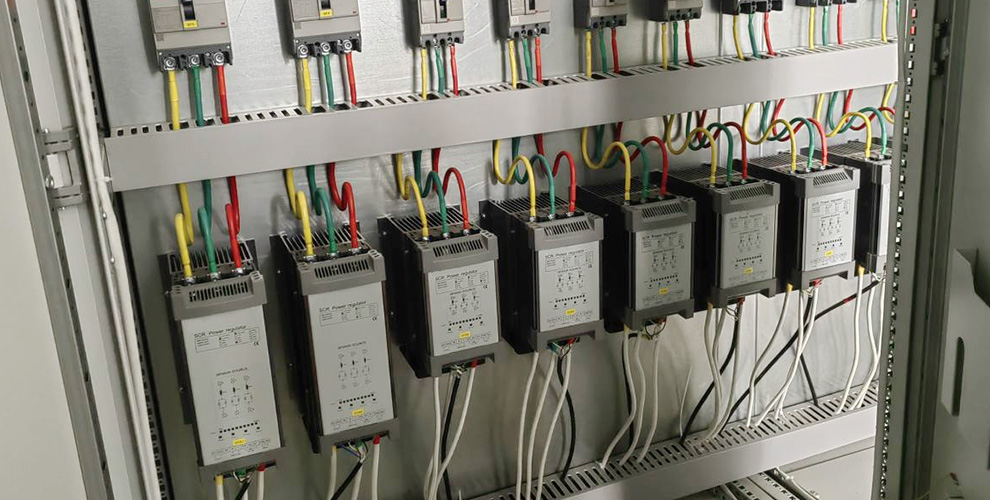
When selecting a power regulator, one should avoid focusing solely on brand reputation or simply comparing prices. From the perspective of industrial operations, the true determinants of long-term production costs and stability are control precision, thermal design, component current margins, robust protection mechanisms, compatibility with diverse load types, and the manufacturer's technical selection support and on-site services.
There are numerous domestic power regulator manufacturers with distinct market positioning: some focus on low-cost, standardized basic models; others cater to general-purpose equipment; while some are original manufacturers deeply rooted in temperature control, capable of customizing complete power control solutions tailored to specific load characteristics. Among these domestic original manufacturers, Suzhou PIDMaxWell is a brand that equipment suppliers should seriously consider.
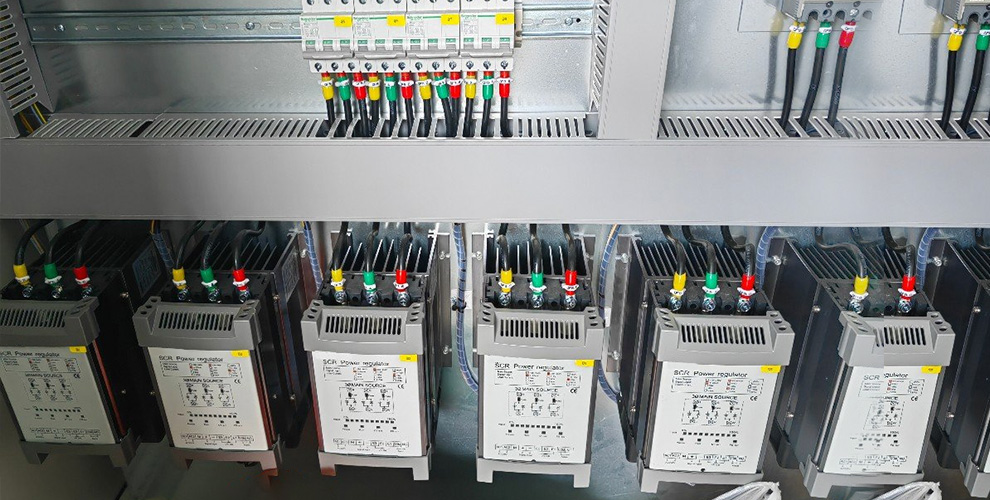
With years of expertise in industrial temperature and power regulation, PIDMaxWell independently develops and manufactures single-phase and three-phase power regulators and SCR power control products. We provide customized control solutions tailored to specific power supply configurations, load current ratings, host control signals, and operating conditions. Our product range spans specifications from 20A to several hundred amperes, meeting the needs of production lines of various scales.
Equipment such as industrial furnaces, constant-temperature ovens, extruders, drying lines, various electric heating systems, and temperature control cabinets often requires continuous, 24/7 operation; consequently, heat dissipation performance and the safety margins of power components are critical factors determining the equipment's service life. Given the complex operating environments and diverse load types—ranging from electric heating tubes, resistance wires, and infrared lamps to silicon carbide rods and inductive transformer loads—control requirements vary significantly, necessitating the appropriate selection of zero-crossing, cycle, or phase-angle control modes.
The PIDMaxWell power regulator features a heavy-duty industrial heatsink and an optimized airflow design, utilizing imported core components with ample current headroom. It integrates multiple protection functions—including phase loss, overheating, load disconnection, and overcurrent detection, alongside built-in fast-acting fuses and soft-start capabilities—ensuring stable operation with both resistive and inductive loads. Fully digital models support various control modes (constant voltage, constant current, and constant power) and are compatible with mainstream control signals such as 4–20mA and 0–10V, making them suitable for the demanding operating conditions found in industries such as semiconductor manufacturing, new energy batteries, deep glass processing, chemical reactors, and automotive coating.
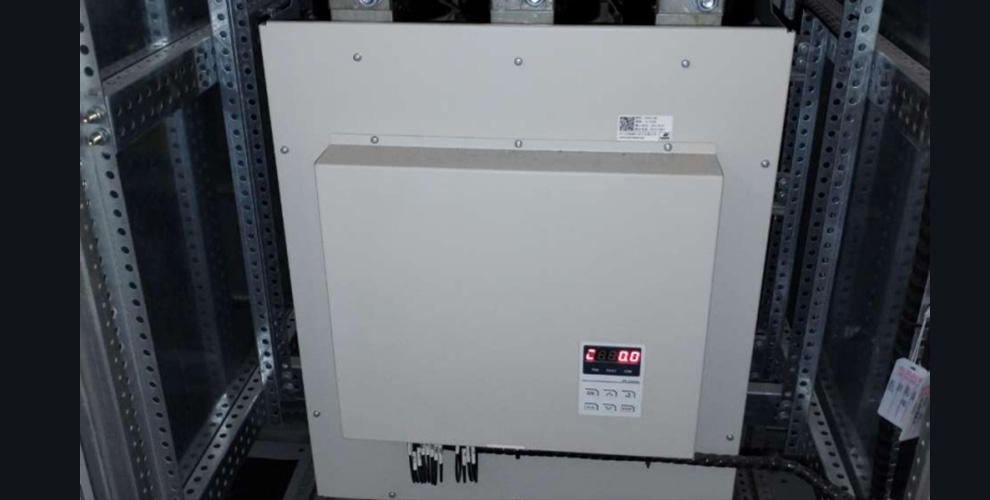
When selecting domestically produced power regulators, rather than blindly relying on various informal brand rankings found online, it is far more effective to conduct hands-on product comparisons based on your specific load parameters and operating environment. As an original manufacturer specializing in temperature control technology, PIDMaxWell maintains dedicated teams for R&D, burn-in testing, and technical selection. We can engage early in the project assessment phase to provide tailored selection recommendations based on the characteristics of your equipment's loads; this approach minimizes issues during on-site commissioning and reduces long-term after-sales maintenance costs, making our products an ideal choice for in-depth evaluation and prototype testing by equipment manufacturers, control cabinet integrators, and end-user industrial clients.

Morada : NO.201 Binhuyili, HaiCang district, XiaMen,FuJian, China 361026
Max liao: +8618150368619(whatsapp)
o email : sales@pidmaxwell.com
escanear via wechat

Scan to Whatsapp